

Businesses all face challenges, like poor team communication and engagement, resulting in frustratingly high turnover rates and sapped morale. It’s a struggle familiar to HR professionals and executives, and the emotional toll can weigh heavily on those tasked with maintaining a productive work environment.
We understand how stressful it can be to lead a disengaged team. With over 20 years of experience helping teams thrive, and having partnered with industry giants like Eli Lilly and CapitalOne, our insights come from a wealth of proven practice and deep empathy for your predicament.
Yet, as leaders, you must grapple with the internal frustration these communication issues generate. Picture watching your best talent walk out the door while leadership tries repeatedly to mend the cracks in team dynamics with minimal success. This scenario is not just troubling; it directly impacts productivity and can strain the very fabric of organizational culture.
The good news is that change is possible – and easy to obtain. Here are five actionable steps you can take to shift your team dynamics and foster a thriving work environment:
Step 1: Prioritize Open Communication.
Create a culture that encourages feedback and transparency. Schedule regular check-ins where team members can voice their concerns or ideas, fostering an environment of collaboration.
Step 2: Invest in Team Development.
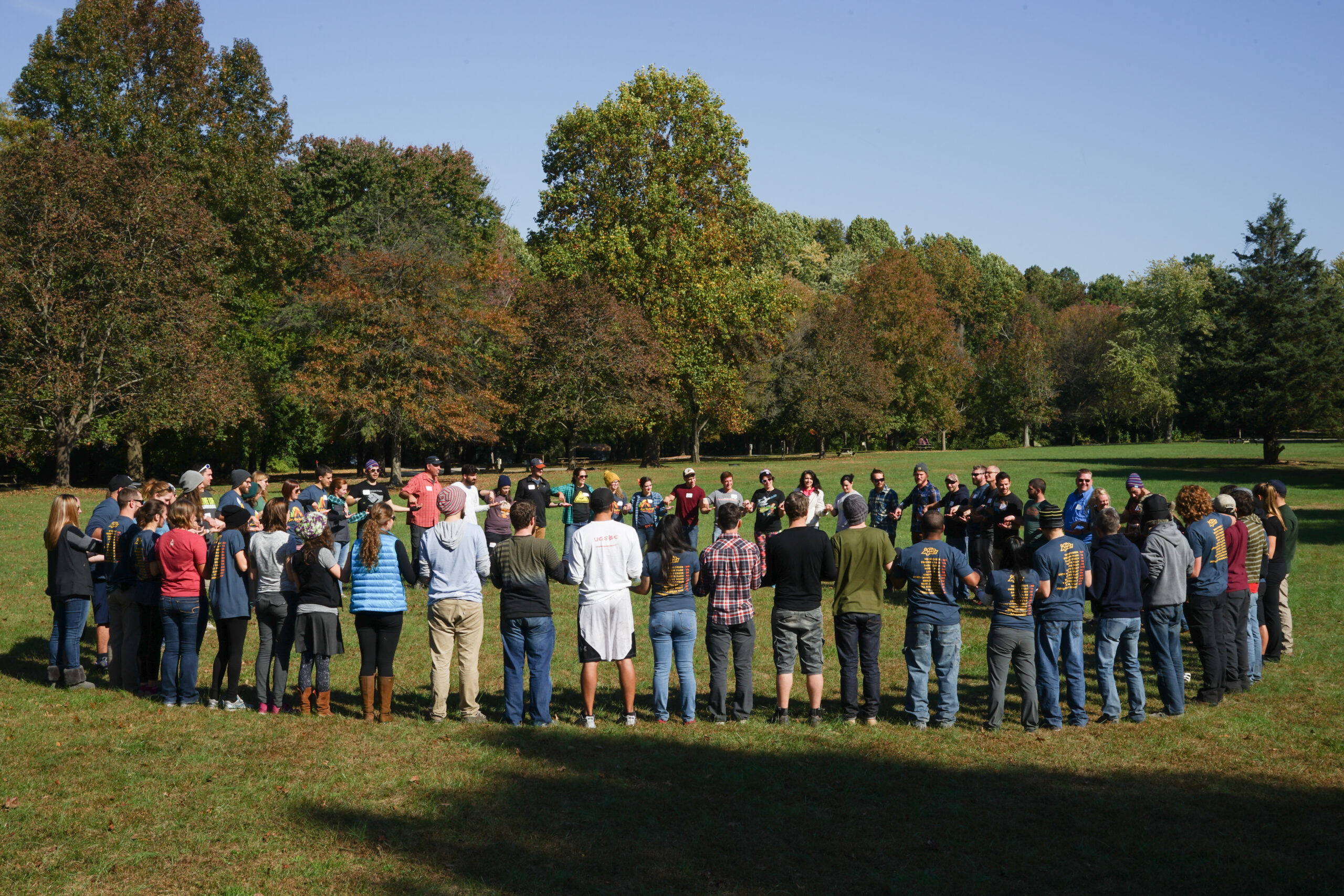
Consider immersive team-building experiences that push members out of their comfort zones and promote trust and reciprocity. Activities that require cooperation under pressure can significantly enhance communication and teamwork.
Step 3: Recognize and Reward Success.
Acknowledging individual and team accomplishments motivates members to contribute. Implement a recognition program that highlights both small wins and significant milestones to keep the morale high and team members engaged.
Step 4: Address Conflicts Head-On.
Establish a protocol for resolving conflicts promptly to prevent issues from festering. Conflict is inevitable, but how it’s addressed will determine team cohesion and trust.
Step 5: Promote Adaptability.
Encourage a growth mindset within your team. Train your staff to embrace change rather than resist it. Resilience is built through facing challenges head-on, and the more adaptable your team is, the better they’ll perform under pressure.